+852 2257 9331

+852 2257 9322

讓兒童在歡樂及無壓力中學習及成長

園訓:「教養孩童,使他走當行的道,就是到老他也不偏離。」箴言二十二章6節

June 2023

How can I avoid being biased when caring for two children?

Source: Registered Clinical Psychologist, Yiu Fong Lee

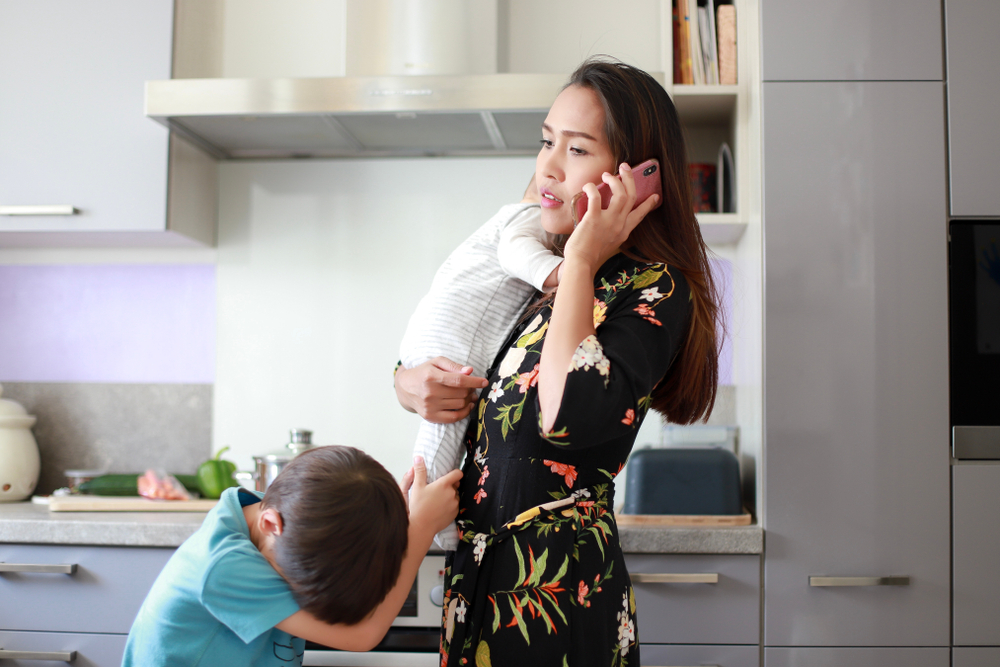
Parents are sometimes overwhelmed when faced with two children. For example, when the older sibling comes to you, the younger sibling is crying. Often, we only care for the younger sibling and neglect the older one, who may say that the parents are biased and only care for the younger one. How do we try to balance the care between the two children and make them feel equally loved?

In the case of the above, perhaps when an older sibling comes to see you, your mother should tell him, “I need to take care of the younger sibling now because he may not be feeling well or he is crying. This will let the older sibling know that his mother needs to look after his younger sibling, “but mom is also very concerned about your situation, so why don’t I come back to you later, when mum has had some time to see what you need or to talk to you?”

Of course, if both parents are at home, the work can be divided. The father will stay with the older child and the mother will stay with the younger child, but Hong Kong people are busy and there may be only one parent at home, so there is a need to prioritise. When to take care of older children? When to take care of younger children?

The second scenario is to invite older brother or sister to join you in caring for younger sibling, for example, “Why don’t you come and help me and we’ll try together to see if we can calm him down together. For example, pat him, sing to him or talk to him. If the older brother or sister does this, the mother can give recognition and encouragement: “You are really doing a good job, you are a very good brother or sister, I am really happy to have such a good little helper. This makes him feel that he can be a part of it and that he can be a big brother or sister to help us out!

But after we have comforted the junior, we need to go back to the older sibling, asking him why he was coming to me. Does he want to talk to me or play with me?

Also, the most important thing is bedtime, as this is the most intimate time for bonding. If both children are also in a stable mood, we can have a nighttime routine for the three of us before bed. For example, we can sing together, listen to stories, and give each other a pat or a back massage. Mum may be able to pat both children while singing; we may pat one child with the left hand and one with the right, and invite a bigger brother or sister to join in the patting process. Maybe he pats his mom with one hand and his younger brother with the other, so that there is an intimate moment shared by the three of us, and sleep is like a relationship with the parents, but at the same time a time when the three of us are together.

We need to create regular and separate one-to-one special parent-child time, for example, mom with the older child on Monday evenings from 7 p.m. to 8 p.m. and dad with the younger child on Tuesday evenings from 7 p.m. to 8 p.m.

In this way, the roles of the parents are switched and they spend time with different children, one on one, so that they can feel that their parents have a close time with them during this special parent-child time and so that the child can choose what he likes to play with, and then the parents follow the child’s suggestions and let the child take the lead.

For example, if he wants to play with toys, be with him; if he wants to play board games, be with him. At that time, just accompany him wholeheartedly. You may describe how he is feeling at the moment or what he is doing, so that he can feel that his parents are willing to give their time and love to him, and you may also plan for his siblings to have this special bonding time so that they can feel that their parents love them equally. We hope that the above methods will help parents manage the relationship between the two children so that they can feel equally loved by their parents.

How can parents solve the situation when children frequently throw tantrums

Source: Senior Parenting Education Expert, Bally

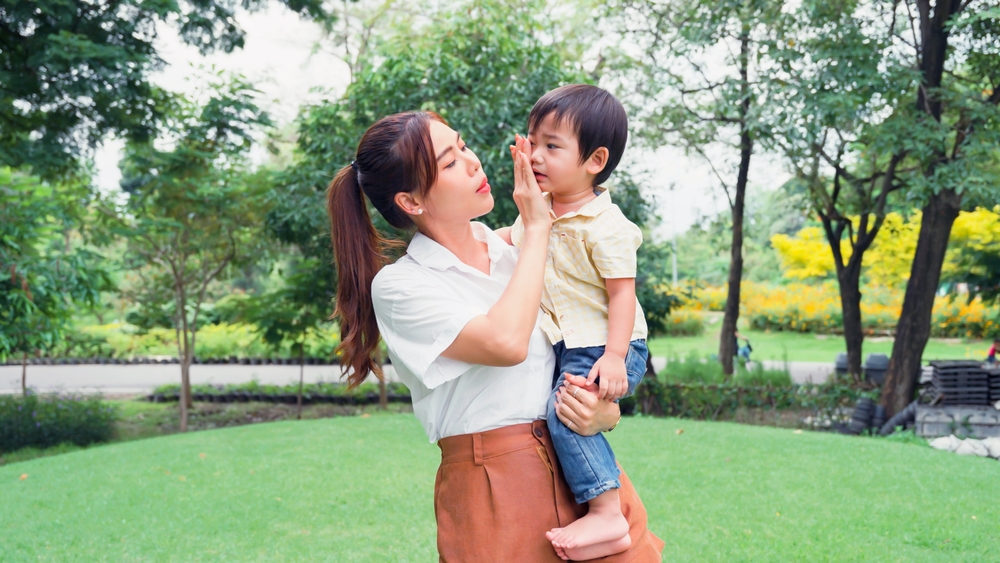
It is easy to see whether parents are competent based on how they handle a child’s tantrums. If a child is yelling and screaming, can parents quickly calm the child’s emotions? Some competent parents simply crouch down, make eye contact, and hold their child tightly while gently asking, “Why are you crying? Don’t throw tantrums.”

Our first priority is to help the child regain control of their emotions. If they can’t control their emotions, they won’t be able to hear anything. We shouldn’t try to teach or scold them when their emotions are high because they often won’t listen. If a child throws a tantrum and we can’t control our own emotions, raising our voice and scolding them louder will only make them escalate further. Therefore, we must be able to teach children to control their emotions.

Sometimes we see children in supermarkets throwing tantrums, shouting, crying, and even rolling on the floor. When this happens, the child is already challenging the boundaries set by adults. If at that moment, we are afraid of embarrassment or concerned about how others will perceive us, and we try to compromise just to calm things down, then we are teaching the child to reach such a level in the future. We might say, “If you scream and roll on the floor, I will buy it for you, but if you don’t, I won’t.” Therefore, we must lead by example when teaching children and not worry about how others perceive us.

What would be a more appropriate approach to handling the situation? Parents should set aside everything and crouch down to talk to the child, saying, “Mom just told you earlier that we won’t be buying anything. Do you remember? If you really want to throw a tantrum, Mom won’t buy anything at all. Let go of everything, and let’s go home.” Because we need to persist consistently, the child will understand that they cannot challenge their parents, and they won’t escalate their behavior.


Many times, parents are not aware of their own language expression, and they may unintentionally encourage children to cry. In reality, if we frequently say, “Don’t!” the child will only hear that word. For example, if we say, “Don’t cry anymore,” the child will only hear the word “cry.” So what should we ask them to do instead? “You should calm down, wipe away your tears, and be calm before I talk to you.” If we stand upright, speaking loudly, and say, “If you dare to cry again, just wait and see what I will do…”, the child’s anger will only intensify. Therefore, we need to pay attention to our words and actions and encourage them in a positive manner.

When faced with problems such as a child throwing tantrums, refusing to do homework, or not wanting to eat, we often get stuck in that particular issue. How can we make the child finish quickly so that we can move on to another activity? We need to think of the next “reward” for them. For example, if the child dislikes doing homework, we can say, “How about this? If we finish within 15 minutes, we can read a book together, watch cartoons, play with building blocks, or play with toys.” These are things that children enjoy and look forward to, so we should keep emphasizing and magnifying these activities.

We need to show them the future consequences that are directly linked to their current behavior. If the child cries or throws tantrums at home during the process, parents often place them in a “Quiet Corner” where they can calm their emotions. This can be done in their familiar and safe room or on their bed, allowing them to gradually stop crying.

If competent parents have enough ability to make the child reflect and express themselves, they could say, “Mommy is really sorry. I feel like I was wrong earlier.” Assigning roles can make it easier, for example, when the mother is doing homework with the child and the child starts throwing tantrums and refusing to do it. The mother can say, “Go to your room now, sit on your own bed, and think about what you did wrong.”

Then the father or another person can enter the room and tell the child, “Do you know that you made Mommy very unhappy just now? Do you know that she will be very angry?” We share our adult world, thoughts, and feelings with the child, helping them understand and willingly say, “I really made a mistake. I was really wrong. I’m sorry, Mommy.”

Categories
Parents Zone Parents Zone Parents Zone Parents Zone Parents Zone Parents Zone Parents Zone Parents Zone

Children don’t want to come home after going out. What should parents do?

SourceRegistered Clinical Psychologist, Yiu Fong Lee

Sometimes, when parents go out with their children, they often encounter situations where the children are having a great time but then start crying and refuse to go home. They cry uncontrollably, regardless of whether we try to coax them, punish them, or explain the reasons. They may continue crying persistently, and we really don’t know what to do. How can we handle such situations with our children?

First, we need to understand the child’s emotions and ask about the reasons behind their reluctance to go home. What is the reason that makes them not want to go home? Do they want to continue playing? Parents can say to them, “I also want to know what happened. Why don’t you tell me?” Sometimes, in clinical practice, we may hear several different possibilities. For example, the child may say, “I’m very happy because it’s really fun here, and I want to keep playing,” or “I’m scared to go home because I’ll have to do homework or study,” or “I’m afraid of some relatives at home because they might scold me.” By understanding the reasons, we can help the child express their emotions.

The mother can respond by saying, “Mom hears you. You want to continue experiencing this feeling of happiness,” or “Mom hears you. You’re afraid of studying or feel a lot of pressure with exams,” or a third response could be, “You feel scared of certain people at home, and it seems like you’re not happy being around them.” Then, we can brainstorm together with the child to find ways to deal with the situations mentioned above.

For example, in the first scenario where the child wants to continue experiencing the happy feeling, we can brainstorm with them about activities they can do at home that would give them the same sense of happiness. For instance, if they enjoy watching TV, playing on a tablet, or playing board games, they can continue engaging in similar activities or play with toys at home once they return.

The second scenario might involve fear of academic pressure and exams. The mother should explain to the child how to cope with study-related stress. For example, they can create a schedule where different tasks or homework are assigned to different times, letting the child know that after effectively completing these tasks, they will have leisure time. Parents can also engage in mindfulness exercises with the child, such as focused breathing or body scanning, allowing them to feel sensations in different parts of their body and helping reduce stress reactions. Parents can practice together with the child, allowing them to relax and not feel overly anxious about studying and exams.

If the issue revolves around the child’s relationship with family members, it is encouraged to allocate more playtime with relatives or engage in activities the child particularly enjoys together with them. It is also important to have moments of quiet listening, to truly understand what the child fears about the elders. We let them express their thoughts and feelings and listen attentively, making the child feel that the parents understand their world and know their needs.

Another approach is to create a behavior-consequence matching chart with the child before going out, as a form of mental preparation. For example, write down the specific time range for visiting an entertainment venue on the chart. If the child can adhere to the schedule and leave the venue on time, they will earn a reward symbol on the chart. This immediate reward could be their favorite food or the opportunity to obtain their favorite toy.

If the child refuses to leave the entertainment venue, throws a tantrum, or arrives home late, we will also assign a negative symbol on the behavior-consequence matching chart, indicating a negative consequence. For example, it could involve taking away all entertainment privileges for the rest of the evening or even not being able to visit their favorite entertainment venue for a week. This behavior-consequence matching chart should be discussed and created together with the child before going out, and its contents should be reviewed after each outing to ensure its appropriateness. Adjustments can be made to the chart, adding or removing consequences, to provide the child with a clear goal to follow, making them realize that they are expected to return home.

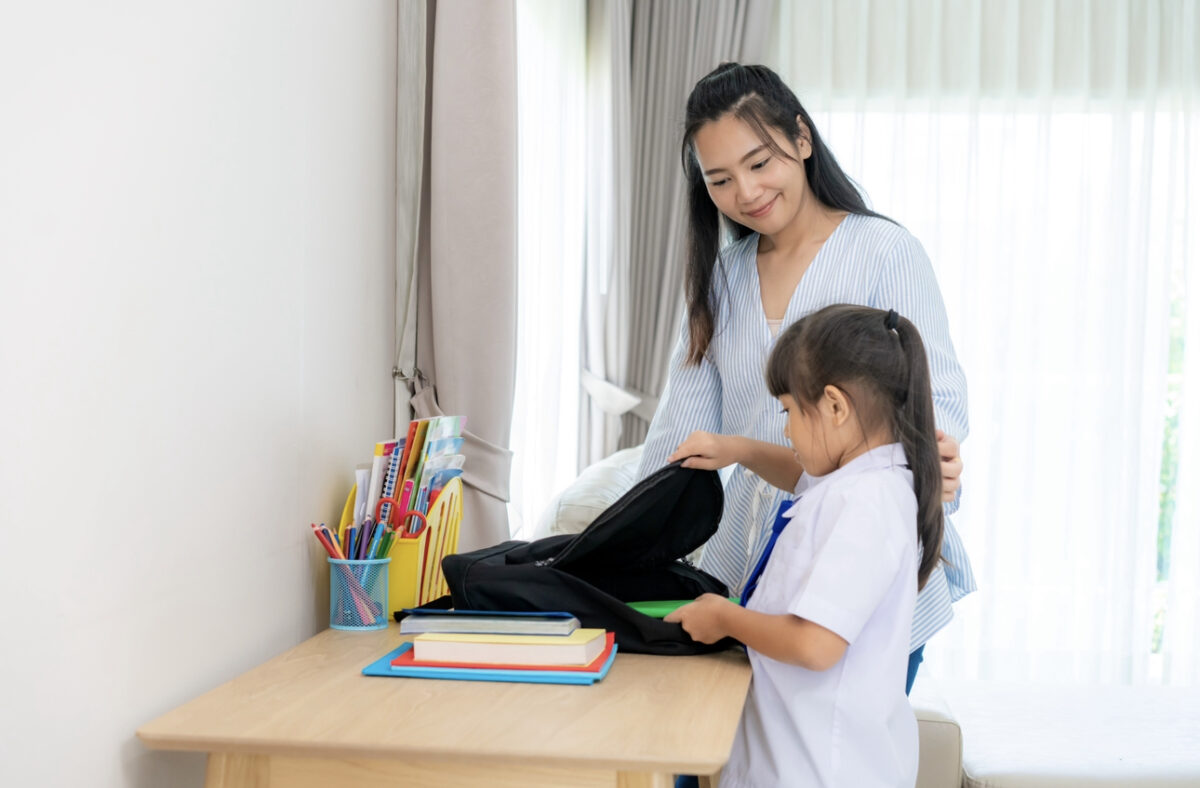
How can parents help young children adapt to primary school life both psychologically and physically? 

Source:  Professor Chiu Wing Kai, Chair Professor of Sociology at the Education University of Hong Kong.

It’s already been 5 months into 2023 and summer vacation will be coming soon, followed by the start of the new school year in September. For K3 students to start their primary school life. However, these students have spent most of their 3-year kindergarten education in online classes due to the pandemic, with little face-to-face interaction. How can parents help them adapt to their new academic and social life in terms of their psychological and physical well-being.

Students who are promoted to Primary 1 are at most at K2 level because they have not returned to school for at least one full year. There are many things they need to adapt to when transitioning from kindergarten to primary school. These include school schedules, daily routines, and learning styles that are vastly different from what they are used to. Kindergarten classes typically last for around 20 minutes, after which they move on to another subject, but in primary school, classes can be 35 minutes or longer, making it difficult for them to maintain their focus. All of these issues can create significant adaptation problems for young students.

So how can parents explain these changes to their children? Firstly, parents should not be too anxious, as many primary schools offer simulation courses and adaptation weeks for new students, as well as school visits. Primary schools are usually much larger than kindergartens, and young students may be excited about the various facilities and opportunities available to them. However, it is best to start talking to them once they begin school, as too much information too soon may be overwhelming. Simply telling them, “Yes, this is what school is like” is often enough.

Additionally, some things that young students may not be capable of now do not mean they cannot accomplish them, they just need time to grow and develop. Parents need to remember that every child has a different growth rate. After starting school, observe their emotional changes when they return home from school, and if you notice any issues, pay close attention to them.

It takes time for young children to adapt, but sometimes parents also need to adapt. In kindergarten, we refer to it as the Homeroom (regular class location), where one teacher leads the class, and children usually only see one or two teachers. If parents need to participate or collaborate with the school, they can simply find that teacher. In primary school, each subject has different teachers, so if any issues arise, parents need to consider how to communicate with each teacher.

The expenses of having children are particularly high. How can parents manage their finances effectively for themselves?

Source: Founder of Piggy Gaga Financial Education, Sang Chan.

Raising children is often described as “bit pricey,” meaning that expenses increase significantly. As parents, how can we manage our finances effectively? Many parents believe that their income level determines their quality of life. While income is certainly related to quality of life, there is something even more important. If every family handles it well, their quality of life can still be greatly improved, and that is how they manage their income.

Each parent can use a simple financial concept, known as the financial pyramid, to allocate their monthly income. The underlying principle of this financial pyramid explains how to divide and allocate every dollar earned to the appropriate areas, maximizing the value of each dollar. By following the construction and operation of this financial pyramid, the financial situation of every family can become increasingly healthy.

At the base of the pyramid, the first step is to allocate around 5% of the income to Mandatory Provident Fund (MPF). After setting aside funds for MPF, the next level is to allocate for our basic needs. Basic needs refer to our necessities such as clothing, food, housing, and transportation. As parents, this also includes the daily supplies for our children, such as formula milk and diapers. It may even include their educational expenses as they grow older.

Approximately 50% of the total income should be allocated to cover basic needs, which is a reasonable level. After managing basic needs, we then have to consider taxes. The amount of taxes varies for each individual. In Hong Kong, approximately 5% of the income is usually manageable for taxes.

After allocating for these three levels, how can we manage the remaining money to gradually improve our quality of life? The first part is allocating around 10% of our income to liquid cash. Another 10% can be allocated to asset protection, where the most important asset is ensuring our own and our family’s well-being

After arranging these two 10% allocations, we have approximately 20% of the income remaining. This 20% can be allocated to asset appreciation, allowing us to achieve some important life goals. Sometimes, parents may ask, “Do we need to be very wealthy as a family to engage in financial management? Can we manage our finances even if our income is just enough?”

High-income families are like large houses, and they may have more things to take care of. They might have a storage room where all the miscellaneous items can be stored and the door closed. The whole house will then become tidy, and the overall management will be much simpler.

But if our house is not that big, metaphorically representing our income, we can imagine a small house. If we take good care of it, it can still lead to a better quality of life. If our income is more abundant, of course, there will be more room for financial management. However, if our income is just enough, it becomes even more important to manage it well.

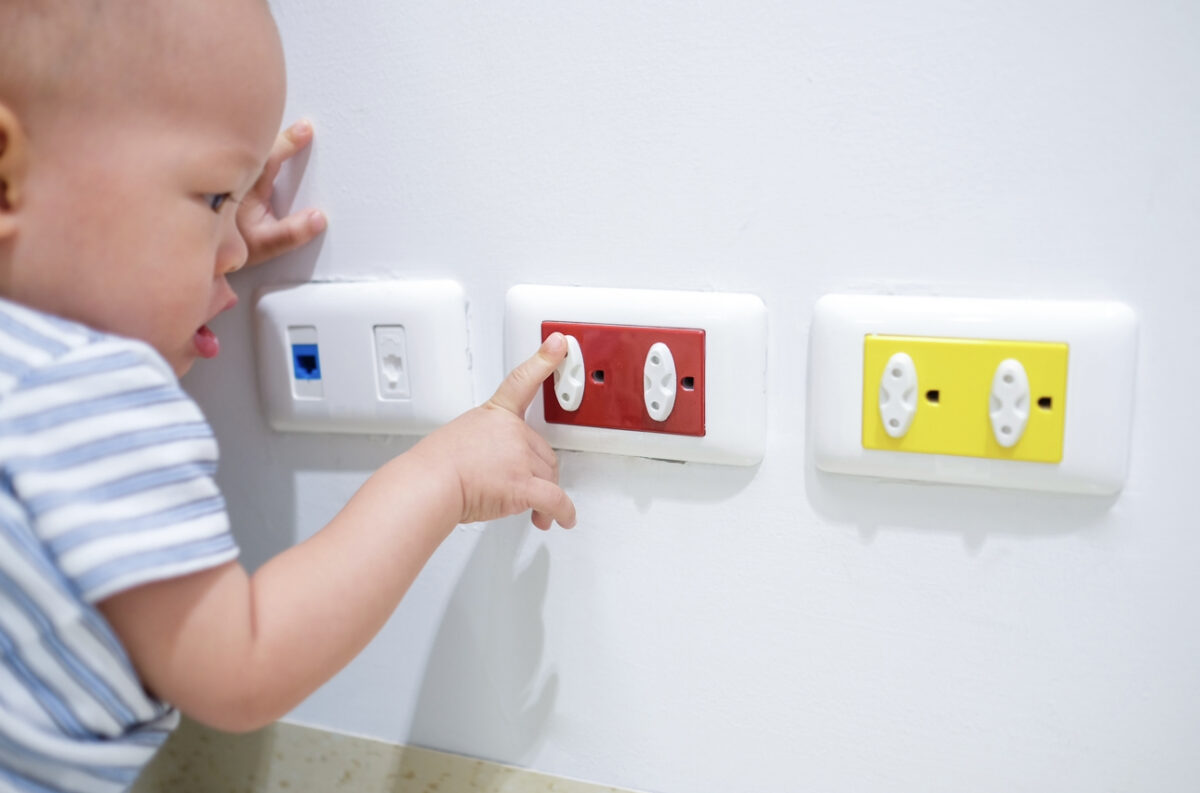
Be cautious about home safety to prevent accidents from happening

Source: Emergency Room Specialist Dr. Cheung Hei Lok

There are hidden dangers in the home, and children can easily get injured with just one careless moment. What should be taken into consideration when arranging the home to prevent children from getting injured?

One common household accident is children getting their fingers caught. Sometimes, due to strong winds, doors may slam shut or someone may accidentally close the door, resulting in finger injuries. Therefore, it is important to always lock the door when entering or leaving, or at least keep the keys out of reach. Parents can also use adhesive materials to secure the door latch so that even if it closes, fingers won’t get caught, or use door stoppers to reduce the risk of finger injuries.

In the kitchen, it is advisable to install a kitchen gate or ensure that the kitchen door is securely closed, preventing children from entering the kitchen. Parents should also teach children about fire safety from a young age. Fire is both useful and dangerous, so it should be handled with great care.

In addition, medications can also pose a danger. Sometimes, even consuming a single pill can be risky for children, so medications should be stored properly, especially in a medicine cabinet. Medicine boxes should be placed in higher positions that are out of reach of children, ensuring greater safety.

We should also be cautious about children climbing on things, such as bunk beds, higher beds, and sofas, as they may fall. In addition to educating them, we can assess which areas pose a higher risk and place some cushioning there, so that even if they fall, it won’t be as severe. Of course, education is always the most important aspect, and we should also try to prevent them from accessing these dangerous areas.

In Hong Kong, living spaces are often small, and we tend to use tall cabinets to store many items. When there are too many things, it can increase the risk of the cabinet toppling over. Therefore, we should personally check whether the cabinet is easily swayed. When placing items, it is important to put heavier items at the bottom and lighter items on top, so that the cabinet is less likely to tip over.

Another important aspect of home safety is to install window grilles. Children may climb on windows, which poses a greater risk compared to general home safety issues, as it directly involves the risk of life-threatening situations.

Categories
Parents Zone

What to do if your child has eye sores?

Source: Specialist in Ophthalmology, Dr Yu Wang Hon

Eye sore, also known as “stye” in Chinese, refers to the blockage of the sebaceous gland on the eyelid, leading to the accumulation of oil and inflammation. Sometimes, it can be caused by bacterial infection, resulting in an eye sore. What can be done when a child has an eye sore? What can parents do to help relieve their child’s eye sore?

Children have a higher risk of developing eye sores compared to adults because their sebaceous glands are not fully developed, and the channels through which oil is secreted are narrower, making it easier for blockages to occur. However, eye sores in adults are not uncommon either.

When a child or adult has an eye sore, it is generally recommended to apply warm compresses as it helps in the faster dissipation of oil. During the first two to three days of an eye sore in a child, you can start with warm compresses and cleaning. Apply warm compresses at least two to three times a day, using any suitable tool such as a warm towel or even a warm boiled egg. Just ensure that the temperature is not too hot to avoid burning the child’s skin.

If the eye sore does not improve after three days, it is advisable to seek medical attention. The doctor may prescribe antibiotic ointment or even oral antibiotics for treatment, and warm compresses should typically be continued. If the condition does not improve after a week of medication, it may be necessary to seek medical attention again to evaluate if incision and drainage of the eye sore is needed.

To reduce the risk of developing eye sores, proper hygiene is essential. It is recommended to use a cotton ball soaked in boiled or warm water to clean the eyelid, focusing on the area where the eyelashes grow. Both the upper and lower eyelids should be cleaned. Regular warm compresses can also be performed to prevent the blockage of oil glands and reduce the chances of developing eye sores.

There are various claims about eye protection. Which one is true?

Source:Specialist in Ophthalmology, Dr. Chan Cheuk Ki

Eyes are the windows to our souls, and we should take good care of them. There are various claims regarding eye protection, so which ones are true?

Claim 1 — Looking at more green scenery can prevent myopia?

To prevent myopia, we can start with environmental factors, such as cultivating good reading habits. We can follow the 20-20-20 rule, which means taking a 20-second break every 20 minutes of reading. During the break, you can close your eyes or look at something 20 feet away, like green trees. Therefore, the popular belief that looking at green scenery can rest the eyes is not about the color green itself but about focusing on distant objects. When looking at distant objects, the ciliary muscles of the eye, responsible for lens adjustment, can relax, slowing down the progression of myopia.

Claim 2 — Doing eye massages can prevent myopia?

As for eye massages, there is currently no scientific evidence to support their effectiveness. However, there is a small tip for everyone: research conducted abroad has shown that engaging in more outdoor activities can help reduce the progression of myopia. Therefore, parents can take their children to the countryside or parks more often to play.

Claim 3 — Wearing glasses irregularly can worsen myopia

Firstly, myopia is the ability to see clearly up close but blurrier in the distance. If a child has myopia and needs to see clearly in the distance, such as during class, wearing glasses is necessary to have a clearer vision and not hinder learning. However, if a child has a mild degree of myopia, around 100 to 200 degrees, they can actually take off their glasses when looking at close objects like doing homework. As long as they can see close objects clearly at an appropriate distance without glasses, it is fine. However, it is important to note that if a child has amblyopia or strabismus, they must strictly follow the doctor’s instructions and may need to wear glasses for an extended period if necessary. Failing to do so may worsen the condition of strabismus or amblyopia.

Will getting water in the ears cause Otitis media? Do you need to help children clean their ears?

Source: Pediatric Specialist, Dr. Lam Ka Yee

In fact, earwax is a normal secretion in the ear canal, and its function is to protect the ear canal and reduce the risk of bacterial infection. Earwax will naturally flow out on its own, so in general, parents do not need to specifically clean the earwax inside their children’s ear canals. Unless the earwax has flowed to the outer ear or is at the opening of the ear canal, parents can gently clean it with a damp cotton swab.

When parents clean the earwax in their children’s ear canals, even if they use a cotton swab gently, there is a chance of injuring the mucous membrane of the ear canal, leading to inflammation or even damaging or puncturing the eardrum. If parents accidentally push the earwax further in or if the child feels uncomfortable during the cleaning process, it is best to take the child to see a doctor to determine whether it is necessary to remove the earwax. In general, there are only two situations where a doctor may recommend removing earwax for children.

First, if earwax completely blocks the ear canal, it can affect a child’s hearing. Second, doctors need to carefully examine the child’s eardrum. If parents detect an unusual odor from their child’s ear, they should promptly take them to see a doctor to determine if there is a possibility of inflammation in the ear canal causing the odor.

If a child feels discomfort in their ears after taking a bath or swimming, parents can gently tilt their child’s head and use a towel to gently dab away the water that has already flowed out. It is important not to use items like cotton swabs to clean the inside of the ears. Getting water in the ears does not cause Otitis media as the ear canal and middle ear are separated by the eardrum. Even if water enters the ears, it will not pass through the eardrum into the middle ear, so getting water in the ears while swimming does not cause Otitis media.

What conditions can lead to Otitis media? Otitis media are generally caused by upper respiratory tract infections, where bacteria travel from the throat through the Eustachian tube and reach the middle ear, resulting in inflammation. Therefore, it is not related to getting water in the ears.