+852 2257 9331

+852 2257 9322

讓兒童在歡樂及無壓力中學習及成長

園訓:「教養孩童,使他走當行的道,就是到老他也不偏離。」箴言二十二章6節

August 2023

Perfectionist childrenn

Written by: Dr. Hui Long Kit

Many parents complain about their children being careless in their actions and messy in their homework. However, if a child is too meticulous and even perfectionistic, it may not necessarily be a good thing.

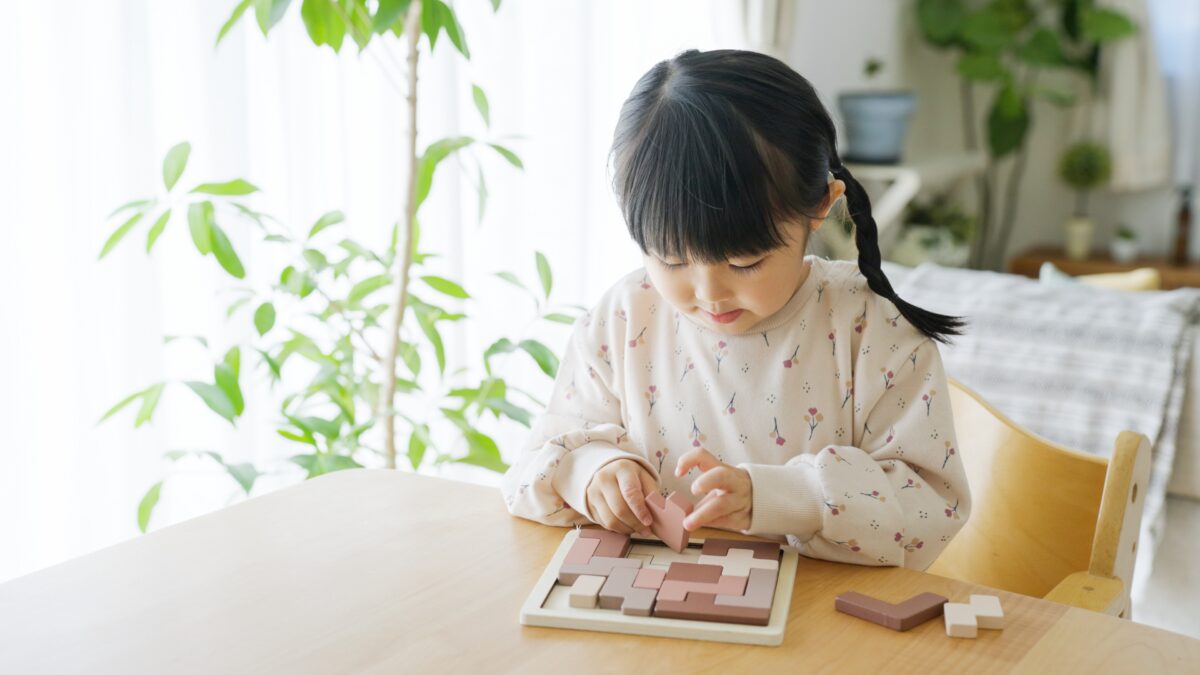
Many 2 to 3-year-old children love playing with toy cars, especially boys. However, some boys don’t enjoy pushing toy cars back and forth. Instead, they prefer arranging multiple toy cars in a straight line or grouping cars with the same color and shape together. They cannot tolerate even one or two cars being out of line or not sorted correctly, insisting on having everything neat and perfect. Most of these children have meticulous thinking but rigid and inflexible personalities, and they may possibly have “Autistic Spectrum Disorder” (ASD).

When children start reading and writing in primary school, some diligent and hardworking students will showcase beautiful handwriting in their exercise books, with each stroke as neat as computer printing. However, upon closer examination, one may notice that they press their pen or pencil very hard, causing the ink or lead to bleed onto the next page. Even if they make a small mistake in writing a word, they will erase everything and start over ─ this may indicate some “obsessive traits.” As they grow into adolescents, they may even exhibit symptoms of “Obsessive-Compulsive Disorder” (OCD), such as repetitive handwashing, excessively long baths, or constant checking of objects. Severe cases can significantly impact daily life and social interactions, requiring medical diagnosis and treatment.

The tendency of perfectionism usually stems from anxiety. Patients’ thoughts often lean towards catastrophizing, where even neutral things appear severe in the eyes of an anxious child. For example, if a child makes a mistake in their homework, they might worry about being scolded by the teacher, losing points, and ultimately getting worse grades. The more they dwell on these thoughts, the worse they become, leading them to feel compelled to make everything perfect, resulting in a very difficult and exhausting life.

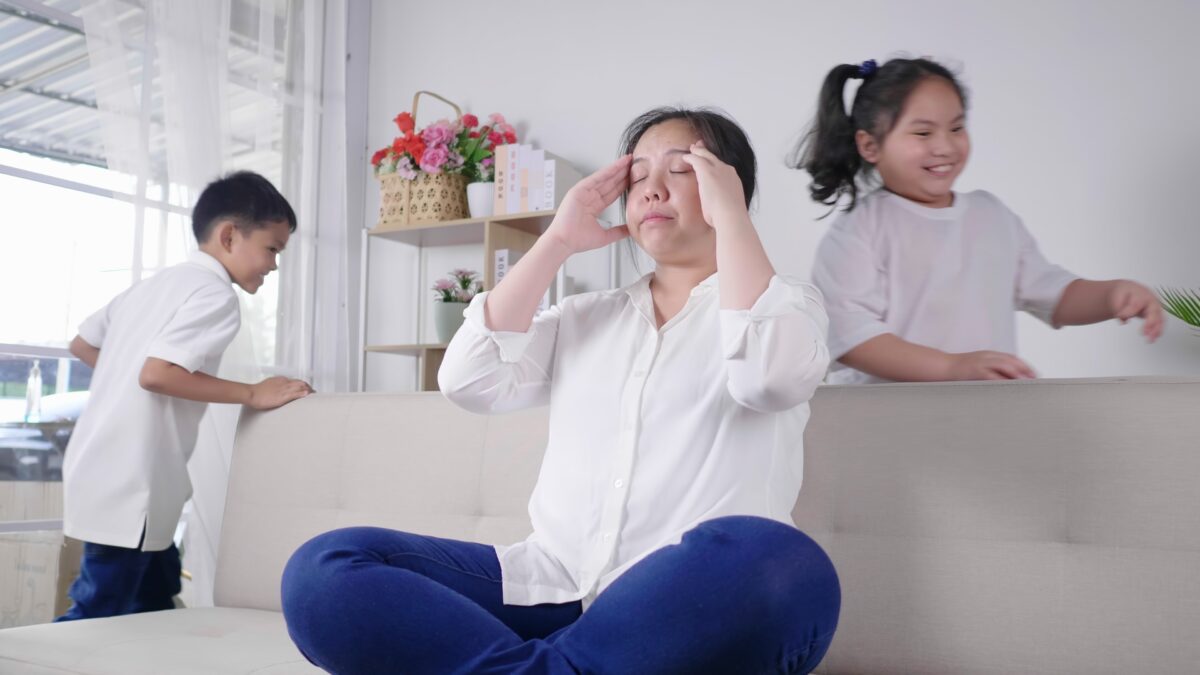
Perfectionist children lead particularly tiring lives, and as time goes on, they may become unhappy or even experience depression. Therefore, when parents observe their children becoming more and more serious, they shouldn’t simply assume that they are just growing up, maturing, or having a certain personality. Instead, they should pay attention to the emotional symptoms that might be present.
Categories
Parents Zone

How to enhance children’s resilience?

Source: Education expert, Cheung Jok Fong

I attended a lecture by “Warrior of Regeneration,” Miss Yeung Siu Fong, earlier. She shared her experience of losing both hands in an accident at the age of nine. However, she did not give up and instead equipped herself more actively. With hard work, she not only became a swimming athlete in the Asian Games but also started art creation by using her feet in place of hands. She successfully enrolled in the Hong Kong Academy of Arts and became an inclusive artist. In 2011, she was selected as one of the “Ten Most Touching Hong Kong Figures” and became a “Hong Kong Spirit Ambassador” in 2013. After the lecture, I asked some classmates for their opinions, and they all expressed that if they encounter difficulties in the future, they will no longer be afraid because they believe that there is always a way to solve things and they want to face difficulties as positively as Sister Siu Fong.

Cultivating resilience from an early age

In the journey of life, we will inevitably encounter adversities. At that time, how should we face them with the right mentality and approach? Nowadays, parents often invest a lot of effort in their children’s academic performance, hoping that they can “win at the starting line.” However, while pursuing academic excellence, it is equally important to cultivate a spirit of perseverance. Unfortunately, some people choose different ways to escape when faced with difficulties, and some may even be so disheartened that they end their precious lives, which is truly regrettable. As educators, we have a responsibility to help students enhance their ability to cope with adversity, and this resilience needs to be cultivated from an early age.

Three key elements to enhance resilience

Experts point out that there are three key elements to enhance resilience: “optimism,” “efficacy,” and “belongingness.” “Optimism” is easy to understand literally; it means having hope for the future and believing that there is always a way to solve problems. This is the attitude one should adopt when facing difficulties. “Efficacy” includes how to manage emotions and establish problem-solving methods when facing challenges, which represents the ability needed to overcome difficulties. “Belongingness” refers to the care and support from people around the individual in question.

For children, the roles of family members and teachers are especially important. For example, when a child faces academic difficulties, if they can feel the care and support from their parents and teachers, and not be treated with disdain, scolded, or spoken to harshly because of low grades, but instead walk alongside them and seek ways to improve their academic performance, it will make them feel that their family and school are a place of “shelter from the storm.” In short, “belongingness” is the cornerstone for establishing “optimism” and “efficacy,” and it serves as the motivation provided to those facing challenges.

Cultivating resilience starts with small things

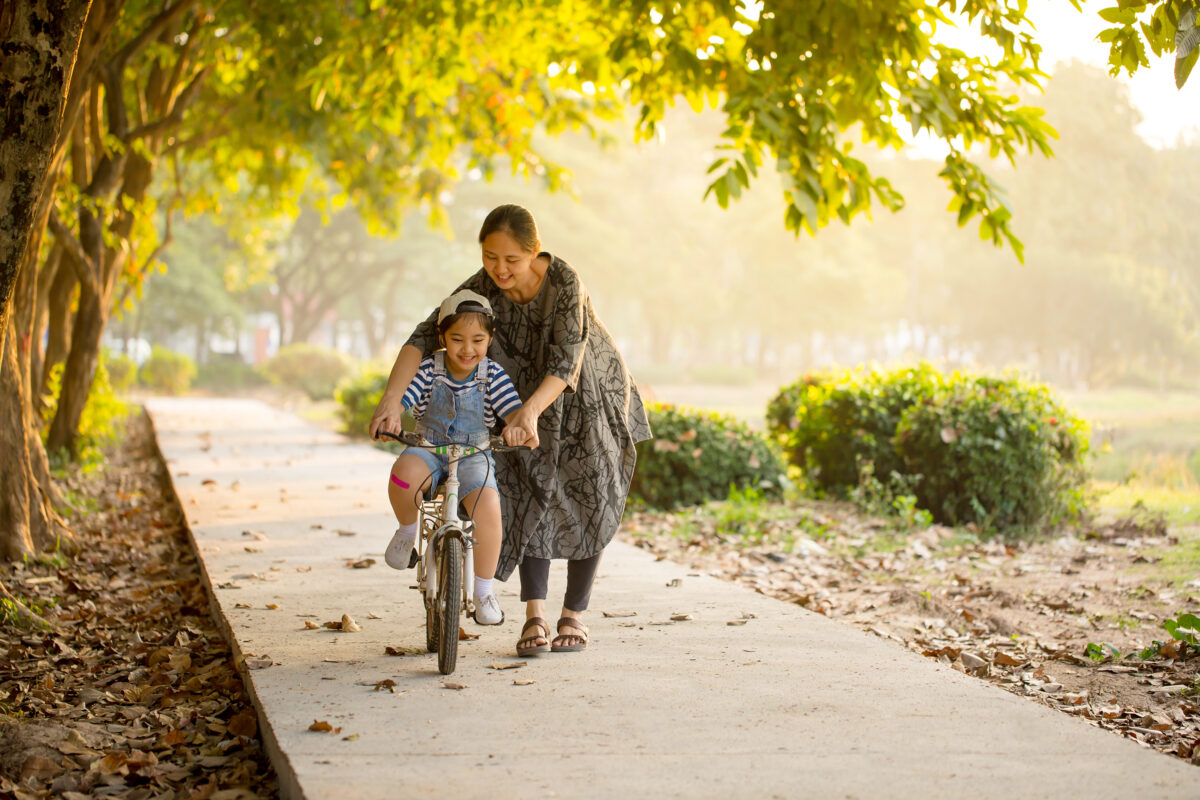
So, how can we cultivate children’s resilience in daily life? Should we wait until they encounter setbacks to teach them? In fact, we can start with some small things. Take skipping rope as an example. No child is born knowing how to skip rope. At this time, parents can encourage them and let them believe that they are capable of learning, which is the aforementioned “optimism.” Additionally, parents can assist from the side or demonstrate the correct way to skip rope, making them feel that their parents are accompanying them and going through difficulties together, which is the “belongingness” mentioned earlier. After the child experiences a taste of success after a few attempts, they can try to figure out how to coordinate their body and master the technique of skipping rope on their own, which is the “efficacy” mentioned above.

In conclusion, we can teach children from an early age to face difficulties with an optimistic and positive attitude and provide them with opportunities for self-challenge. More importantly, let them feel the support and care from the people around them.

Parents need to learn the “language of love.”

Written by: Dr. Tik Chi-yuen, Director of the Hong Kong Institute of Family Education

In a study conducted earlier, it was found that nearly sixty percent of children felt that their parents did not communicate with them using the language of love, and nearly half of the parents tended to use authoritarian and indifferent approaches when disciplining their children. In fact, the mode of parent-child communication is crucial for establishing a strong parent-child relationship. In this article, I would like to share the results and recommendations related to this survey.

According to research in well-known psychology studies in the United States, parents’ disciplinary styles can be categorized into the enlightened type, which utilizes the “language of love,” and the authoritarian, permissive, and indifferent types, which fall under the category of “non-loving languages.” Based on the responses from children, only forty percent of parents were considered as the enlightened type in the eyes of their children, while one percent fell into the permissive type. The remaining nearly half of the parents were classified as either authoritarian or indifferent types, with the proportions being twenty-seven percent and twenty-two percent, respectively.

The survey also revealed significant discrepancies between parents and children’s ideals and realities in three different situations, with academic performance being particularly severe. Sixty-two percent of children expected their parents to adopt an enlightened approach in handling academic performance, but in reality, only thirty-seven percent of parents fell into this category. Similarly, there was a significant gap between parents’ ideals and realities. Only four percent of parents believed that they had an authoritarian relationship with their children in terms of academic performance, but in reality, thirty-one percent of parents were categorized as “authoritarian.” This reflects the difficulties parents face when dealing with their children’s academic performance and how they unconsciously resort to “non-loving languages.” Nowadays, many parents excessively intervene in their children’s studies, sparing no expense in arranging numerous learning activities and various tuition classes, aiming to keep their children at the forefront of learning. This has led to numerous conflicts between parents and children and even emotional distress.

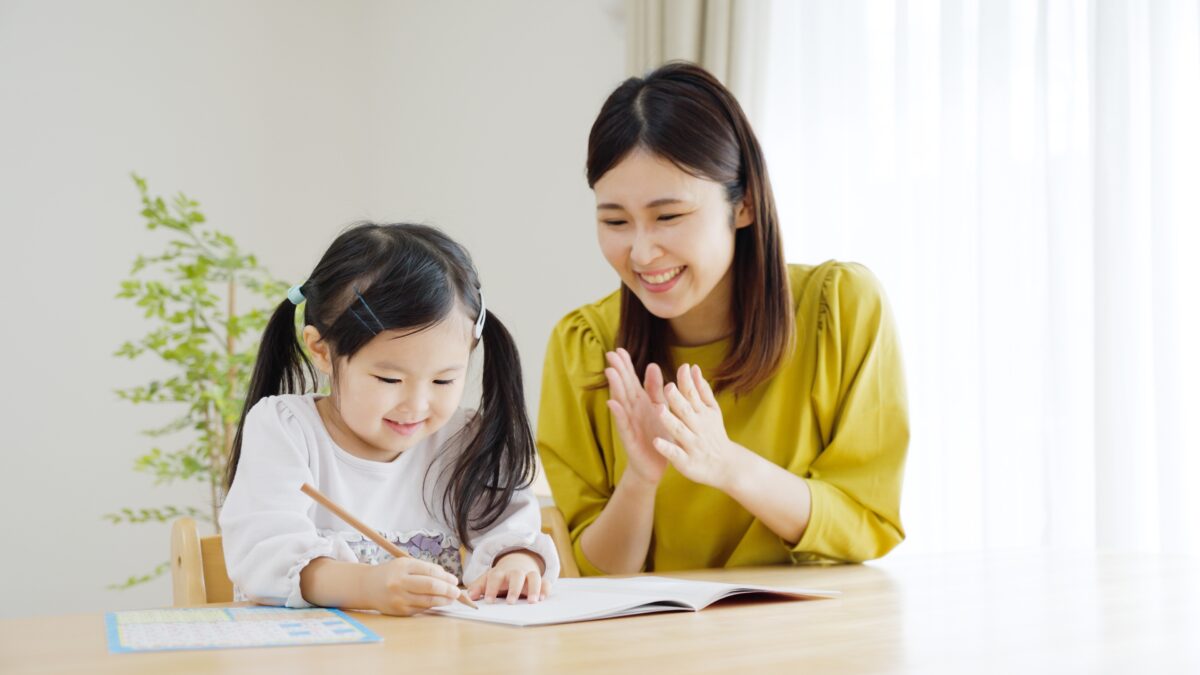
As parents, we should cultivate the habit of using the “language of love” because the more we utilize positive words such as praise, encouragement, care, acceptance, appreciation, and affirmation, the more our children will understand that our discipline includes both love and boundaries, helping them grow into individuals with self-esteem and confidence. The author believes that most parents’ intentions behind their words to their children are for their children’s good. However, inappropriate words cannot only harm the parent-child relationship but also lead children to rebel. On the other hand, appropriate words can make children willingly accept and do their best.

When communicating with their children, parents are advised to:

Use kind, praising, and encouraging words.

Provide positive guidance.

Praise the child when they do well.

Pay attention to the child’s responses and consider their own reactions.

Even when saying “no,” avoid using negative language.

Children are two different beings at home and school? 

Written by: Dr. Szeto Wing Fu, Chairman of the Hong Kong Institute of Family Education 

A teacher asked me, “Many parents seek my advice on education and disciplining their children. As a new teacher with limited life experience, I often feel inadequate in dealing with complex education policies and child-rearing issues. What should I do?”

Every semester, the school arranges one or two opportunities for parents to meet with teachers and discuss their children’s performance at school. As a father, I always strive to attend these meetings together with my wife. After each brief gathering, our son would eagerly ask and want to know what we discussed with the teacher about him. Recently, the teacher mentioned that our son is relatively quiet at school, not very proactive, and often takes on the role of an “observer.” My wife couldn’t wait to say that he is completely different at home, very active and full of “many opinions.” The teacher’s reaction was not surprised but rather smiled continuously, seemingly very accepting of the fact that children can present different sides at home and at school.

My wife naturally looked at the teacher with expectant eyes, hoping to get some guidance on how to make our child more proactive in the learning environment. Fortunately, I spoke a few “fair” words, recalling how our son was fearful and often a “lone ranger” when he first started school last year. Over the past year, our evening prayers with our son have always included a request to our Heavenly Father to make him braver, and this year he has made much progress. On the way home, I also reminded my wife that there are no standard answers or miraculous remedies for many things, and the teacher, being younger than us and not yet a parent, still has experience in dealing with different children. Therefore, it is most important for parents and teachers to communicate more on the children’s journey of growth.

Embracing Our True Selves

Recently, a parent asked me: “My child is very well-behaved at school, a courteous and exemplary student, but at home, he often throws tantrums. Why does he have such different behaviors in front of others and at home? How should I handle this?”

During the first semester of my son’s primary one, there were two consecutive weeks of “inexplicable” incidents, such as his beloved “Sergeant” watch going missing, books found in the trash bin, exercise books doodled and torn. My wife and I were both baffled and still wanted to unravel the mystery in our hearts: who could be behind these incidents?

On Monday morning, my wife went to the school to discuss the incident with the teacher. However, just before leaving, I firmly told my wife, “No matter the doodles, tears, or books being treated as garbage, I am certain that our son didn’t do any of these.” She asked, “Why are you so sure?” My answer was, “Because he is my son, and I have been with him as he grew up. I know his temperament like the back of my hand.” Eventually, it was found that his neighboring classmate was responsible for those actions. Since that day, I noticed a “subtle” change in our child’s behavior between school and home – at school, he seemed to have learned that it is a community: crossing certain boundaries with books would upset classmates, and the teachers were like referees, and to “survive” he had to understand the “rules of the game.” But when he came home after school, he would immediately embrace his true self, because at home, he had his dad and mom, who understood him the most.

In fact, isn’t it true that in the adult world, we also have a different self during the day and at night?

Relax and face evaluations, holistic education is more important

Written by: Education expert, Kenneth Law

I still remember a saying about discussing education: “Everyone has experiences, and everyone has something to say.” With the widespread availability of education, parents of kindergarten and primary school students nowadays generally have at least 9 years or more of education experience, right? They often have deep impressions of the joys and sorrows during their teenage years of studying, so when it comes to educational issues, many of them have something to say.

I believe that experiences are important, but as society continues to evolve, some experiences need to be reexamined to see if they are still applicable today. For example, with the popularization of education, the focus of education has shifted from emphasizing intellectual development to valuing holistic development. There has been a significant shift from knowledge transmission to the cultivation of learning abilities and the role of assessment measures like examinations.

Apart from serving as a screening tool in certain stages, such as secondary school admissions and university entrance, examinations play a major role in understanding students’ learning progress throughout the 20-year educational journey from kindergarten to university.

Some people compare assessments to health check-ups because health check-ups can reveal our physical condition, just as school assessments can inform us about students’ learning progress. This analogy is quite apt. If we care about our physical health, should we undergo more health check-ups or focus on doing more exercise, maintaining a healthy diet, and getting enough rest? You might want to think about whether you have spent too much time and effort on memorization, tests, and exams. If we use health check-ups as a comparison, consider this: after taking fever-reducing medicine, can measuring your temperature still reflect your actual health condition? After taking blood pressure medication, can measuring your blood pressure still accurately represent your true situation? If not, then what’s the point of intense drill practices to cope with assessments?

When discussing education, everyone agrees with the concept of balanced development in morality, intelligence, physicality, group dynamics, and aesthetics, as well as the idea of holistic education. However, examinations often focus mainly on intellectual development, and tests like the TSA (Territory-wide System Assessment) concentrate only on Chinese, English, and Mathematics. I   acknowledge the importance of intellectual development and proficiency in Chinese, English, and Mathematics, and the assessment of these subjects can be valuable. However, we must consider whether there is an inappropriate overemphasis, leading us away from the principles of balanced development and holistic education.

Examinations have their limitations; for example, a crucial aspect of learning Chinese is developing an interest in Chinese culture. However, examinations often do not assess this aspect, and in fact, measuring interest is difficult through exams. Moreover, examinations inevitably fail to cover all aspects of the curriculum comprehensively, leaving certain areas unassessed. Similar examples can be found across different subjects. Values in ethics, physical and mental well-being, interpersonal skills, and creative thinking, which are all highly valued, are they assessed in exams?

I highly appreciate parents’ emphasis on education, but it is essential to note that examinations are just one aspect of the entire education process, often focusing predominantly on intellectual development and being limited to content convenient for test questions. Once this is understood, even though everyone may still strive to prepare their children for examinations, they might also be more willing to pay attention to their children’s interests in learning and their overall personal development. They will be more concerned about their children’s need for holistic education.

What I do is all because I “love” my child

Written by: Education Expert, Principal Cheung Jok Fong

I remember one Sunday when my family and I were at the park for some leisure time. During our visit, I witnessed an incident that I would like to share with everyone through this platform.

I noticed a group of people arguing in the park, and one woman’s voice was particularly loud, catching my attention. Curiosity drove me closer to see what was going on. It turned out that a child was feeding the birds with birdseed in the park, attracting a large group of birds to gather on the grass for food. The park manager stepped forward to stop the child, which greatly upset the child’s mother. I overheard the parent say, “Why can’t I feed the birds here? I have the freedom to do so!” The park manager kindly explained that it could affect public hygiene. The discussion continued, and even some other park visitors joined in. The argument became too intense, and the child started crying out of fear. Finally, the mother exclaimed, “It’s just letting the child feed the birds in the park for a while, why can’t we? It’s unreasonable to be so strict.” With that, she angrily took her child and left.

I believe this mother’s reaction stemmed from an expression of love. Perhaps she didn’t want to see her child disappointed, so she argued with the park manager, trying to allow her child to continue feeding the birds. Her actions were undoubtedly driven by the joy of her child, but she neglected the negative impact it could have on other park visitors. Let’s take another example, some parents enjoy letting their children stand on the seats in the subway, especially when passing sections with scenic views, allowing them to admire the scenery along the way.

From the parents’ perspective, letting the child stand on the seat to see the scenery not only makes the child happy but also allows them to explore the world outside the window, a win-win situation. However, have these parents considered that this may soil the seats? The next passenger who sits there may get their clothes dirty! This kind of consideration that only focuses on the child’s perspective while neglecting the feelings of others is sentimental and blind. In the long run, it can have a negative impact on the child’s growth. In Chinese, the term “溺愛” (spoiling) describes overly pampering and spoiling children by parents, and what is the result of “溺愛”?  means “drowning” the child in indulgence.

It’s important to know that children have a high ability to mimic, and parents are their primary role models. Sometimes people say that a certain child is very similar to their parents, not necessarily in physical appearance, but in their words and actions, resembling their parents. If parents ignore the feelings of others in their actions, children will also become self-centered and indifferent to others, ultimately becoming seen as a “little tyrant” in the eyes of others. How can others enjoy being friends with such a child? Love for children should be rational, and while loving them, parents should also correct their mistakes in a timely manner. Taking the example mentioned earlier, if a child wants to stand on the subway seat to admire the scenery, parents should truthfully tell them that it will dirty the seat, helping them understand that they should consider others’ feelings in everything they do and teaching them how to interact with others in a group setting.

“People say that parents’ love for their children is meticulous.” People say that parents’ love for their children is unconditional, but unconditional love doesn’t mean unconditionally satisfying their desires; it also means correcting them when they make mistakes. This kind of love for children must be rational. “Caring” for children is not just about material satisfaction but ensuring their healthy development in all aspects of body and mind, cultivating their proper values and the ability to discern right from wrong, and making them considerate of others’ feelings. At the same time, adults should lead by example and be models for their children. I believe that under the rational love of parents, children will grow up to be individuals with sound character.

Categories
Parents Zone Parents Zone Parents Zone Parents Zone Parents Zone Parents Zone Parents Zone Parents Zone

Happiness is actually simple – enjoy quality time with children

Written by: Marriage and Family Therapist, Child Play Therapist, Lee Wai Chee

Everyone hopes to find happiness, and parents are certainly no exception. Many times, parents are even willing to sacrifice their own immediate needs and happiness, hoping to exchange them for their children’s “happy life” in the future.

Most parents understand that their children’s future “happiness” is by no means guaranteed one hundred percent. However, many parents believe that not striving today will inevitably lead to failure tomorrow. In addition, the social atmosphere advocates “doing more is better than doing less,” and even considers not doing anything as laziness and passivity. As a result, all parents and children find themselves doing more and more, gradually losing their direction.

In online discussion forums, I often see some parents criticizing society and the education system for putting excessive pressure on children, stifling their growth space. However, on the other hand, they helplessly push their children to do various exercises every day, showing their helplessness and sense of powerlessness. The contradictions and dilemmas faced by parents are understandable, but these fears and anxieties can cause parents to easily miss the insights that children give us.

When a baby is born, they live a simple, direct, and natural life every day. When they are hungry, they eat; when they are full, they sleep; and when they wake up, they play. They explore the world in their own way and interact with the people around them. They laugh heartily when they are happy and cry out loudly when they are sad. Children tell us that human needs are actually quite simple, and as long as these needs are satisfied, they will be happy. It’s just that the adult world has become increasingly complex, and people’s desires have grown, causing adults to forget even their own needs and, as a result, become increasingly unhappy. Ironically, we still assume that we understand the “key” to a “happy life” and teach children how to find happiness.

Today’s society is filled with the anxiety and unease of adults who fear being marginalized by society and worry that their stable lives are threatened. As parents, they are even more concerned about their children’s future lives. In fact, children understand the essence of happiness best because they naturally live freely and at ease. However, somewhere along the way, parents hope that their children can adapt to the distorted rules of the real world as soon as possible, inadvertently erasing their natural and childlike qualities.

A child’s growth takes time. If parents can observe their lives with a calm mind, be patient, slow down, and enjoy every moment spent with their children, they may rediscover that happiness is not in the future but in the present moment.

A good son is not hard to find, but a good mother is difficult to come by

Written: New Horizons Development Centre, Registered Educational Psychologist, Pang Chi Wah

I once overheard a conversation between two mothers, and I wonder if the readers can relate to it. One of them said, “You’re so lucky! You have a well-behaved baby, but I wasn’t that fortunate…” Some mothers may believe that a child’s behavior is largely determined by their innate qualities. However, the truth is that postnatal nurturing is equally crucial, and a mother’s ability to grasp effective discipline techniques and maintain a stable emotional state can have a significant impact on their child.

When a mother wants to criticize or teach her child, she must first ask herself if she truly understands the underlying reasons behind the issue. Is there any room for improvement on her part, or can she find alternative ways to address the problem, rather than attributing everything to “good luck” or “bad luck”? There’s a saying, “When there is a master, there will be exceptional talents.” Many parents hope their children will achieve great success, but in reality, helping an ordinary child to thrive is not difficult, especially in today’s society, which advocates diversified development. Children have more opportunities to showcase their talents. While the past society revered “prestigious” professions like doctors and lawyers, as society transforms, people also appreciate excellence in design, arts, and other fields. Most importantly, as a mother, whether you seize the chance to carefully discover your child’s strengths is crucial.

However, good children also need good parents to nurture them. Although today is an era of gender equality, mothers still play a crucial role in the parent-child relationship. If a mother wishes to effectively educate her child, she must invest more time in participating in relevant parenting courses, listening to different experts’ opinions, such as educational psychologists, social workers, or other educators, to learn how to analyze the child’s situation and provide the most appropriate educational methods and assistance. Additionally, parents can join some parent support groups, or take the opportunity to stay in touch with other parents, exchange ideas and observations, share experiences and methods of educating children, which will be of great help to mothers in how to teach their children.

Therefore, if you want your children to succeed, as a mother, you must lead by example, strive to do what you should do, and actively learn disciplinary skills for children. Please remember: children come not to “take revenge” on you but to “repay kindness” to you. In the process of learning to discipline children, a mother can learn even more than what she teaches her child. While imparting knowledge and learning to educate children, she herself also benefits in knowledge. Moreover, the challenges encountered in the process are a test of patience and inner qualities for the mother, contributing to life experiences and understanding of life.

The title at the beginning of the article was “Good children are not born that way,” so in conclusion, I summarize with one sentence: “Good mothers are not born that way either.”

Long bathing time, eczema will become problematic and requires a long time to heal

Written by:YEUNG Ming Ha, Registered Chinese Medicine Practitioner

Recently, a parent uploaded pictures of their daughter suffering from eczema on a social media platform. Looking at the little girl’s red and swollen hands and feet, and her skin all irritated, indeed, it’s heartbreaking. As a result, parents all over the city are now sharing their secret remedies to deal with eczema because many of them or their children are also affected by eczema, and they often suffer during seasonal changes.


Eczema is a common allergic dermatitis and is not contagious. In Traditional Chinese Medicine (TCM), eczema is referred to as “wet sores” and is a prevalent skin condition in Hong Kong. The internal factors contributing to eczema include the individual’s constitution, emotional state, and dysfunction of the body’s organs, while external factors involve wind, dampness, and heat obstructing the skin. When a person has a weaker constitution and a lower immune system, wind, dampness, and heat pathogenic factors may invade the skin, resulting in eczema or exacerbating existing eczema issues. Eczema can occur on any part of the body, such as the ears, head, face, hands, navel, and lower legs, but it usually appears symmetrically. Patients often feel intense itching, and scratching can lead to skin abrasions, oozing of pus, and even infection. The condition tends to recur, making the skin rough and the scabs raised. To deal with eczema, it’s essential to start by addressing these three small habits:

Shorten bathing time.

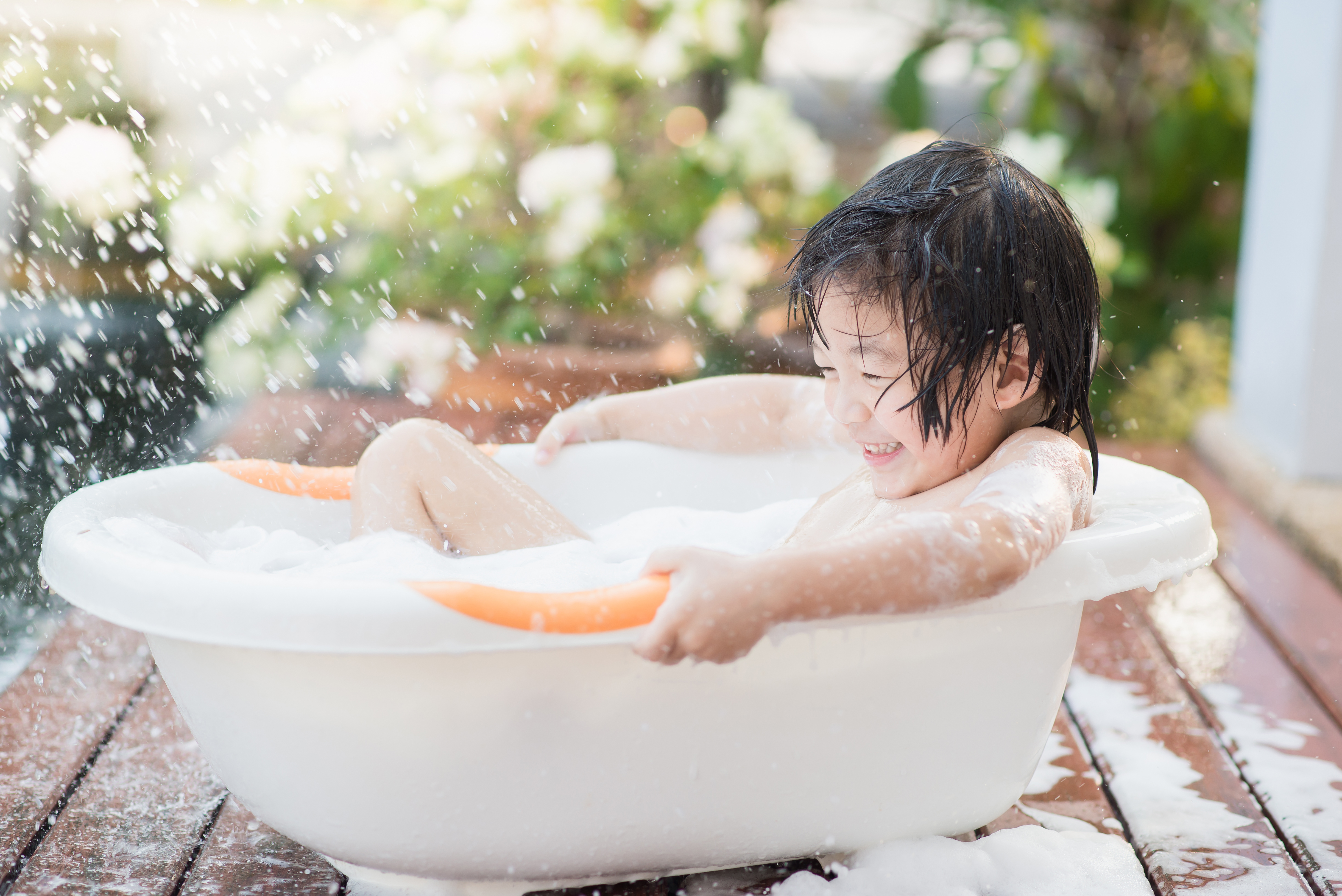
When eczema flares up, patients often can’t resist scratching. Hands are the most susceptible to bacterial contact and harbor the most microorganisms. Therefore, it’s important to avoid the habit of frequently touching the face to prevent exacerbating skin inflammation. Additionally, patients should refrain from using products with high alcohol content frequently, as the chemical components can irritate and weaken the skin’s natural barrier. Furthermore, due to the itching sensation on their skin, patients tend to wash their hands and take long baths, mistakenly thinking it can relieve itching and provide a sense of cleanliness. However, excessive cleaning can actually damage the skin’s sebum layer and stratum corneum, compromising the skin’s natural protective barrier and worsening eczema problems. Therefore, it is recommended for patients to shorten their bathing time, ideally not exceeding 3 minutes. At the same time, they should choose hypoallergenic skincare and bathing products to minimize irritation to the skin. For severe cases of eczema, it is suggested to only cleanse the armpits, lower body, and areas prone to sweating.

Here, I am introducing an anti-allergic formula: The ingredients include Fang Feng (防風) 6 qian, Ku Shen (苦參) 6 qian, and Sheng Gan Cao (生甘草) 3 qian. Boil them with strong fire for 30 minutes, then use it to rinse the sensitive areas. It has excellent moisturizing and itch-relief effects.

Good lifestyle and hygiene habits.

Patients’ living environment needs regular cleaning, and they should frequently change bedsheets and close-fitting clothes. Moreover, patients should wear loose and cotton clothes, avoid wearing tight clothes made of wool, and ensure no chemical residues like detergents remain on their clothes. Regarding daily routines, patients should go to bed and wake up early, avoid staying up late, maintain a balanced diet, exercise adequately to boost their immune system, and reduce the chances of triggering eczema. After exercising, they should immediately wipe away sweat and change into dry clothes to keep the skin clean and dry. Of course, the most crucial aspect is maintaining a positive mindset to reduce stress.


Dietary Restrictions Effectively Prevent Eczema

The onset of eczema is closely related to certain food sensitivities, so dietary restrictions are essential in the treatment of skin sensitivity. During the treatment of skin diseases, patients should avoid consuming “triggering foods.” “Triggering foods” are those that can induce rashes and worsen the condition in skin disease patients. These triggering foods mainly include seafood, beef, sweets, spicy foods, and alcoholic beverages. Skin diseases are often caused by the accumulation of “dampness” and “heat,” leading to the formation of “toxins.” Patients with skin conditions usually have a constitution characterized by congenital weakness of the spleen and stomach. When they consume excessive amounts of spicy foods, shrimp, crab, seafood, and other highly stimulating foods, or when they consume a large amount of raw and cold food during the summer, it can lead to the accumulation of damp toxins in the body. This can easily cause abnormalities in spleen and stomach functions, increasing the likelihood of developing eczema.