+852 2257 9331

+852 2257 9322

讓兒童在歡樂及無壓力中學習及成長

園訓:「教養孩童,使他走當行的道,就是到老他也不偏離。」箴言二十二章6節

cs_admin

【讓兒童成為遊戲的主人】 Free Play 讓孩子學習自主、解難和發揮創意

作者:香港保護兒童會  林護幼兒學校劉美珊校長

「玩」是兒童與生俱來的天性,如呼吸一樣重要,亦是他們的基本需要。教育局於2017年《幼稚園教育課程指引》建議,幼稚園應每天安排指定時間,讓幼兒參與「自由遊戲」(Free Play),引起了業界及家長的熱烈討論,不少幼稚園更致力推動兒童從「自由遊戲」中學習。

現時不少幼稚園都推行「自由遊戲」,而「自由遊戲」有別於恆常設定教學目標的學習活動,學校可靈活運用空間,小至課室內的學習區角、大至體能場地,甚至學校大堂,都可以變成「自由遊戲」的最佳場所,而遊戲期間老師亦需「忍口」和「忍手」,讓兒童隨心所欲地發揮。「自由遊戲」對兒童有什麼價值?成人如何和孩子輕鬆地進行「自由遊戲」?以下的7個要點將會為你解開疑問。

1. 順應兒童好奇的天性 從環境中發掘遊戲物料

玩具就是遊戲?玩具其實只是遊戲的其中一種物資!現今的玩具大多數有既定和參考樣本的玩法,而兒童多會依循這些玩法去玩,但很快便對這些玩具失去興趣而頻繁轉換玩具。「自由遊戲」是由隨處可見的物品產生而成,只要成人順應兒童好奇的天性,發掘和搜集家中不同質感的物品,如環保物料(紙皮、布料)、低結構物料(膠衣夾、積木),甚至走到戶外找尋大自然物料(樹葉、樹枝),只要稍作準備,就可以開始玩遊戲。

2. 沒有指定的場所和玩法 引導兒童探索的特性

雖然香港一般家庭的空間有限,但只要發揮創意善用環境、花心思及有充足預備,家中的走廊、地板、牆身和梳化等地方,都可以打造成兒童的遊戲空間。「自由遊戲」就是沒有指定的遊戲場所,只要為兒童提供沒有特定形態和玩法的多元化物資,讓他們隨意組合和改變玩法就可以了!當兒童初接觸「自由遊戲」時,他們或許會對這些物資顯得手足無措,而這時便需要成人的介入,如簡單的示範、口頭或動作的輔助,引導兒童探索物料的特性。

3. 放下既定的遊戲概念 讓兒童創造獨有的玩法

當提供適當的引導後,成人便應慢慢退下來,並將既定的學習與訓練想法暫時放下,讓兒童自己親身操作、探索和創造出其專屬而獨有的玩法。他們更可以將自己的生活經驗融入其中,豐富整個遊戲過程,這時兒童就成為了遊戲的主人,玩出自己想要的玩法,並從遊戲中獲得滿足感。你知道嗎?原來玩遊戲玩得愈好的兒童,將來愈能夠妥善處理和掌握自己的生活,不會事事依賴別人。

4. 按兒童的興趣與能力增減物資 不規限用途和定義

剛開始遊戲時,應提供機會讓兒童接觸不同的物品,並要留意提供物品數量的多寡,因太多他們會無從入手,而太少則會無計可施。另外,只要順着兒童的玩法和喜好,不規限物品的用途和定義,並按他們的年齡和性情而選取及增減物資,給予他們機會自行決定物資分配和使用方法,兒童便可開創和發掘出遊戲的新玩法。

5. 利用遊戲教導兒童收拾物資 養成生活自理之能力

在遊戲過後,物資的處理和收拾亦同樣重要。父母可把握兒童愛玩的天性,善用小遊戲,如合作性遊戲、競技遊戲來提高兒童自行收拾物資的動機,和養成生活自理能力。

遊戲小點子:

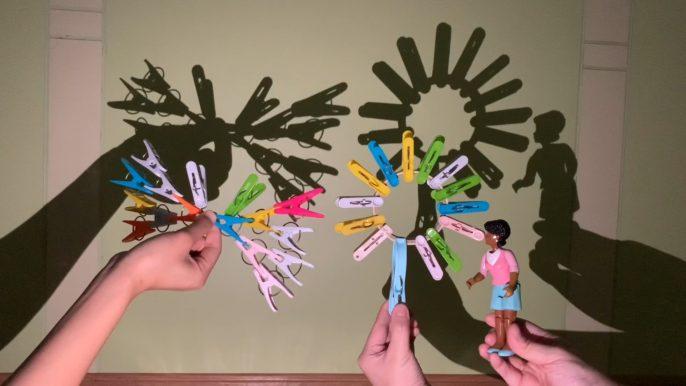
衣夾皮影戲 ,將各式各樣的衣夾組合成不同造型,結合光影進行小實驗和創意劇場。

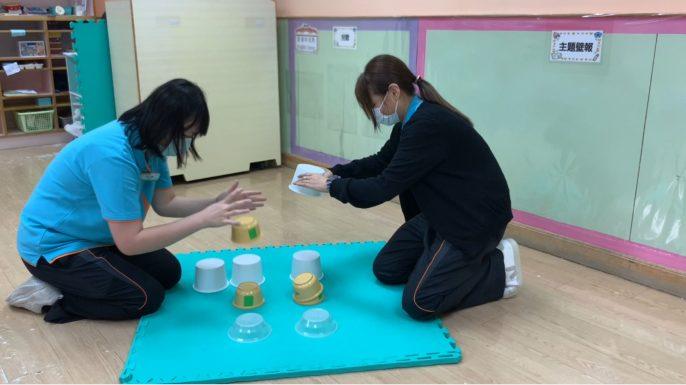
套套餐具,收集外賣餐盒,創作不同的遊戲考驗手眼協調能力。 

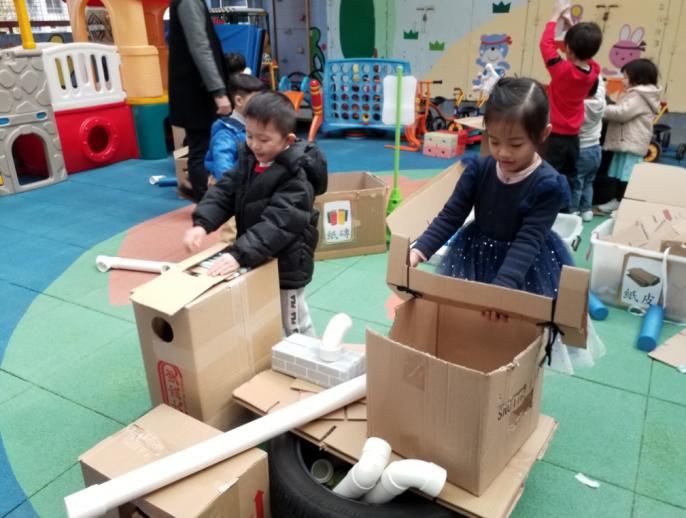
紙品建築師,收集不同形狀和大小的紙盒,自由組合發揮創意,建造理想小城市。


6. 減少不必要的介入和幫助 讓兒童嘗試自行解決困難

在兒童成長的旅程中,除了有家人的陪伴(但千萬不要無時無刻盯著他),更要明白兒童的發展軌跡各有不同,並接納他們的獨特性,避免先入為主及互相比較。在安全的情況下,應尊重兒童對遊戲的選擇和玩法,減少不必要的提醒、建議和幫忙,即使看到兒童面對困難,成人宜在旁觀察,讓兒童自己想方法嘗試去解決,待兒童向成人提出幫忙的請求時才給予適當的輔助。當兒童能夠好好享受遊戲的樂趣,父母亦可放心做自己的事情。

7. 遊戲人數不受限 啟發幼兒潛能促進均衡發展

「自由遊戲」不受人數限制,兒童既可獨自遊戲,亦可與同伴互動遊戲。給予空間讓兒童與自己和同伴接觸,每一次遊戲都是一個經驗和體會。遊戲期間兒童會樂此不疲自創各種遊戲方式,享受愉快自主的過程,滿足他們的身心需要。「自由遊戲」不但能提升兒童的社交技能、解難能力和創意表現,更能促進兒童的語言、大小肌肉、情意及群性等能力的均衡發展,真是一舉多得!

重視「自由遊戲」的重要性 讓兒童成為遊戲的主人

無論兒童身處那裡,只要成人能夠拋開「勤有功,戲無益」的舊有觀念,重新了解「自由遊戲」對兒童的價值,重視兒童在日常生活中是否有足夠的「自由遊戲」機會,並努力為兒童營造適切的環境及準備合適的遊戲物資;在兒童進行遊戲時,學會放手讓他們擁有主導權,而非只順從成人的指示,鼓勵兒童自主和積極主動的參與,那麼任何地方都可以是「自由遊戲」的好地方,就讓我們一起努力讓他們活出健康、快樂和豐盛的童年。


“The reading of many books is as important as traveling a thousand miles.” 

Written by: Education expert, Chu Wud Man

Children and I went on a study trip to Sabah, Malaysia, in the early years. The winter sun was bright, and the five-day, four-night experience was richly rewarding. Taking a boat ride to observe proboscis monkeys in the mangroves was a highly appealing activity. In the evening, thousands of fireflies hung low on the trees, turning the tall trees into sparkling Christmas trees. I stood beside the children, watching their lively and excited expressions, deeply believing in the importance of both “reading ten thousand books” and “traveling ten thousand miles.” Without saying much, just looking at the experience of having a buffet breakfast in the morning over the four days, it was indeed a valuable lesson in civic education for the children.

On the second day in Sabah, the children woke up and followed the teacher into the hotel’s buffet restaurant for breakfast. The diverse and delicious food made the children salivate. They wandered around with plates in hand, unable to decide what food to take first. When they encountered interesting decorations, they would loudly call their companions to come and see. Hungry children filled their plates with a large serving of fried rice, with salad and two slices of watermelon placed next to the plate like small hills. The excitement and noise of the children in front of the delicious food seemed to make them forget the teacher’s instructions and requests until the lead teacher approached, reminding and guiding them, gradually calming the situation.

After breakfast, during the gathering, I discussed the situation observed earlier with classmates, making the children aware that their behavior had disrupted other restaurant patrons and lacked the proper etiquette. The teachers reiterated the points they needed to be mindful of and then continued with the itinerary.

In the following days, I arrived at the restaurant very early, sitting aside, sipping coffee, and observing the students’ behavior. The children arrived one by one, walking lightly, taking the time to carefully consider and plan their desired breakfast, and then politely selecting some food to enjoy.

Occasionally, they would still gather in small groups in front of interesting food, chatting softly. However, overall, they were mindful of the restaurant’s etiquette, showing consideration for the needs of the dining room and respecting other patrons. The waitstaff also praised the children for their excellent behavior, and visitors from different nationalities engaged in friendly conversations with the children. The relaxed and warm breakfast provided the children with opportunities to learn etiquette.

The learning experience during the study trip is extensive, ranging from understanding things in different regions to personal self-management and team discipline. The progress made by the children over the four mornings may prompt parents to engage in deeper reflections.

Willing to share – Parents set an example

Written: Education expert, Cheung Wai Ching

The crow accidentally found a piece of soap. After washing its feathers in the basin, the crow became fragrant all over. Deciding to share this soap with other animals, the mouse, rabbit, little monkey, and big bear all took turns using it. Finally, it was the elephant’s turn. After the elephant finished bathing, the soap was nowhere to be found. The crow found it strange and anxious, thinking the elephant was playing a joke on it. The crow, with a kind heart, shared its good thing with its friends, but in the end, the item was gone. We all know that soap gets smaller as it is used, which is an inevitable fact. The crow didn’t expect that its well-intentioned sharing would result in losing what it originally possessed. Although the crow was a bit reluctant to part with its soap, when it smelled the soap fragrance emanating from its good friends, it felt happy and thought it didn’t matter.

With an increasing number of single-child families in society, coupled with busy parents compensating with material things, children tend to think that everything is for their exclusive enjoyment, and others are not allowed to touch. In such situations, what can parents do?

The joy of sharing is an abstract emotion that requires the accumulation of years along with the experiences of many life events. It is not something that can be achieved overnight. The most effective education on sharing comes from the example set by parents and educators. There is a lady who works as the chief editor in a publishing house. During her daughter’s summer vacation, she took her to the office. At that time, the company was handling a batch of books donated to children in remote areas, totaling a few hundred books.

The daughter asked her, “Mom, do you have to donate so many books? You could sell them for a lot of money! You might incur a huge loss this way. Can’t you donate fewer books?” The lady replied, “No one is telling me how much to donate, and no one is forcing me to do it. It’s my own choice. What are you worried about?” The little girl said, “I’m afraid you’ll donate all the books, and we’ll lose too much. Then we won’t have any money ourselves!” The lady teased, “Well then, I won’t donate at all. After all, those other kids aren’t my children. Why should I care if they have money to buy books?” Playing along, the mom intentionally teased her daughter. The girl clarified hastily, “I didn’t mean not to donate at all. I just meant you should donate fewer books! Keep some for later, and donate gradually!”

The mom, who works as an editor, told her, “Daughter, if I take these books to sell and make money, our family would certainly be happy. But now that I’ve donated the books, many children will be happy because they have books to read. I will also be happy because these books may give them some hope and dreams for life and the future. My happiness cannot be measured in terms of money.”

Parents are the best role models for children. In daily life, when parents show care and assistance to others, it naturally has a subtle influence on their children. Parents should set an example of sharing with others, regularly taking the initiative to care for and assist others. The place where the author lived during childhood was populated with many residents, resembling what Cantonese films call “one floor, fourteen households.” Although having many people naturally leads to friction, neighbors were accustomed to sharing delicious snacks they made with everyone. Additionally, in daily life, common items such as oil, salt, soy sauce, and vinegar were borrowed from one another. These small acts cultivated a sense of sharing in our generation.

The emphasis in “Willing to Share” is on the word “joy.” It is about feeling genuine happiness from being able to share with others. Only those who are truly tolerant, generous, and enthusiastic are willing to share with others. Similarly, only those who are genuinely confident, kind, and open-minded are happy to do so. In other words, if children can truly enjoy sharing, they possess all the valuable qualities mentioned above, which are more important than achieving good grades.

Apart from having fun, what else is there in travel?

The Christmas and New Year holidays are about to begin, and some parents choose to take advantage of this long break to travel with their children. It not only allows for family bonding but also provides a chance to relax both physically and mentally. I wonder if anyone has other reasons?

Some may say that travel can broaden children’s horizons. Indeed, “traveling a thousand miles is better than reading ten thousand books.” If children have firsthand experiences, it is believed that they will have a deeper understanding of the knowledge they acquire. For example, when children learn about the “Great Wall,” visiting the actual site can give them a greater appreciation for this architectural marvel in human civilization history. When choosing a travel destination, I also consider whether it aligns with my daughter’s learning content. For instance, when she is learning about different types of animals, I might include a visit to the zoo during our travels so she can interact with various animals, which is much better than learning solely from books or television.

I value the several days spent on a trip for the main reason that during this time, my daughter and I have an extended period of time together. If you observe carefully, you will gain a deeper understanding of your child. When my daughter was younger, I paid special attention to the following aspects during our travels:

(1) How the child interacts with strangers

During the trip, children will encounter different strangers. How do they behave? Faced with unfamiliar elders, do they initiate greetings? Can they respond politely and appropriately to the elders’ questions? When encountering peers, do they take the initiative to play together? How do they handle potential conflicts? I like to observe from the sidelines and then, in the evening, share and praise my daughter’s good behavior of the day, encouraging her to improve in certain areas the next day.

(2) Child’s Self-Care Abilities

As the time during travel is more ample, and there’s no need to rush against the clock, this is an opportunity to cultivate a child’s self-care abilities. For example, I would arrange for my daughter to carry her own small travel suitcase, where she manages her personal items independently. I observe whether she can handle her personal belongings properly and whether she can pack her items neatly before leaving the hotel or heading to another attraction. When necessary, I provide timely guidance or assistance from the sidelines.

In fact, cultivating children’s character and self-care abilities does not necessarily require taking a plane for an overseas trip. What I want to emphasize is that character development cannot be confined to the theoretical level, and mere lecturing may result in counterproductive outcomes. Therefore, character cultivation should manifest through practical daily life experiences. In reality, as long as there is ample quality time, more companionship with children, and careful observation of their daily behavior, providing guidance or assistance when needed, even just going for a walk in the countryside can easily achieve the above goals.

Categories
Parents Zone

Children react differently to stress; parental trust is the most important

In recent days, there have been continuous reports of students attempting suicide, a situation that is cause for concern. As parents, we often feel that adults face much greater pressure dealing with work, family, and financial issues than children do. However, Dr. Wong Chung Hin, a specialist in psychiatry, reminds us: “Clinically, cases of emotional distress due to stress are observed in primary, secondary, and university students. Parents should carefully observe any changes in their children’s behavior, patiently listen to their thoughts, and refrain from making hasty criticisms. The most important thing is to believe in your children and encourage them to express themselves.”

The reasons for emotional issues arising from stress in children go beyond academic performance and include family expectations, peer relationships, school bullying, family problems, and family history. Dr. Wong recalls, “When facing the death of a family member, relatives are often busy dealing with post-mortem matters or various rituals, forgetting to take care of the child’s emotions. In addition, some children experience their parents’ divorce or even abuse, which can also affect their emotions.”

Emotional changes vary, and parents need to be attentive

Dr. Wong further emphasizes, “Some children are more adept at expressing their feelings, but many do not know how to express their emotions. As children grow older, some are less willing to share their feelings with family. Therefore, parents and teachers should pay close attention to any changes in their children’s emotions, behavior, and performance.”

Parents should pay attention to the following signs:

  1. Emotional expressions on the face, such as appearing gloomy, tense, crying, or sad.
  2. Changes in lifestyle habits, such as disruptions in sleep patterns (insomnia or excessive sleep), changes in appetite, or spending a lot of time isolated in their room.
  3. Unwillingness to go to school.
  4. Physical changes, such as diarrhea, and stomachaches. Parents might easily attribute these to health issues, but a deeper understanding reveals their connection to emotional stress.
  5. Self-harming behaviors, including self-hitting, cutting, or expressing thoughts like “I don’t want to live.”

Each child expresses emotions differently. If the child exhibits the above-mentioned signs only temporarily, returning to normal after the stress has passed, it is referred to as “Adjustment Disorder.” However, if the situation persists and continues even after the stress has subsided, seeking assistance from a professional is advisable.

When children have emotional expression issues, parents should start by trusting and not hastily criticizing.

Dr. Wong points out that these emotional problems are often challenging to detect: “Some patients, as mentioned above, may not know how to express their feelings. However, there are also cases where they do express themselves, but their parents or teachers do not see it as a problem. They don’t believe the child and instead think that their reluctance to go to school is a sign of laziness. After listening to the child’s concerns, parents or caregivers should believe the child and avoid making hasty criticisms. This is also about raising awareness of emotional issues; they may have insufficient awareness and not know how to handle them. Alternatively, they may worry that seeking help will result in negative labels from others and be hesitant to seek medical attention.”

Dr. Wong warns, “Delaying treatment may worsen the condition, possibly leading to irreparable situations. Some parents worry that taking their child to see a doctor means resorting to medication and fear potential side effects. However, the truth is that medication is not the only form of treatment. It needs to be assessed first and can be complemented with psychological therapy. Many cases involve individuals who believe they are fine or expect to heal on their own after a while, leading to prolonged conditions.”

Once a child’s emotional changes have been occurring for a significant period, impacting daily life, or if thoughts of self-harm or suicide emerge, seeking help promptly is imperative. Dr. Wong also reminds parents that if a child reads news about suicide recently, parents should be by their side, explaining that this is not a solution to emotional problems, to prevent the news from affecting the child emotionally.

How to Arrange Pocket Money for Children?

Written by: Recognized Financial Planner, Miss Hui Kin Ting

Today, let’s talk about how to manage children’s pocket money and help them establish the right financial values. When parents start giving pocket money, they should also teach children how to save, spend wisely, and exercise control over their finances. As children grow older, parents can also guide them on how to grow their wealth.

When to start giving pocket money to children?

Parents can start giving pocket money to children when they enter the first grade of primary school. Unlike kindergarten, primary school students begin to grow and become more independent, develop a sense of numbers, and gradually understand the purpose of money. Giving pocket money at this time can cultivate their correct attitude towards financial management.

Classification based on children’s age:

  1. Grades one to three of primary school:

Parents should mainly teach children how to use and save their pocket money, encouraging them to save more. To guide children in using their pocket money wisely, parents can set a proportion for allocation, for example, 70% for spending and 30% for saving. However, parents should approach this with encouragement, as enforcing it might lead to a loss of interest in saving. Additionally, parents can encourage children to keep a financial diary, recording income and all expenses daily. At the end of each month, parents can review and summarize the diary with their children, helping them understand their spending patterns for improvement.

  • Grades four to six of primary school:

During this stage, you can begin to introduce elements of rewards to cultivate the concept of “rewards for achievements.” For example, good performances (such as scoring 100 on a test) could earn additional rewards. However, parents should be cautious not to overly emphasize rewards to prevent the development of materialistic traits. Children should understand their basic responsibilities and not view everything as a transaction. Additionally, you can encourage saving by introducing “interest.” This could involve setting up a bank account or using some savings tools to give them a preliminary understanding of wealth growth.

How much is a reasonable amount for pocket money?

Parents can decide the amount of pocket money based on their children’s actual needs, self-management abilities, and their own financial circumstances. The amount can also increase as the children grow older.

During primary school, meals and transportation are usually arranged by parents. Parents can explain to their children that if they want to buy additional things they like, such as toys, stationery, or extracurricular books, they must use their pocket money, fostering their financial management skills. For children in grades one to three, parents can provide pocket money on a daily or weekly basis, suggesting 5 to 10 yuan per day. For children in grades four to six, who have developed some money allocation skills, parents can start providing monthly pocket money, recommending an amount of approximately 400 to 600 yuan. When children enter secondary school, where they may handle their meals and transportation, the pocket money should be adjusted accordingly.

Finally, I want to emphasize that financial ethics are more important than any financial skills. Parents can instill appropriate concepts and values in their children through daily life, such as reading stories of successful individuals’ financial journeys. This helps establish the correct attitude towards wealth, enhance a sense of responsibility and self-control, and learn to cherish and plan for the future diligently to achieve financial goals.

Dual Efforts Lead to Faster and Better Learning for Children

Written by: Education Expert, Principal Kenneth Law

We all understand that each student is an independent individual, so the speed of learning varies. However, if there are methods that can make children learn faster and better, it is undoubtedly something both parents and teachers would be pleased to see. How to help children learn faster and better is also a topic of research for many scholars.

One key factor affecting the speed of a child’s learning is the amount of existing knowledge they possess. Existing knowledge refers to what the child has learned and mastered, not only the knowledge acquired in school but also part of the knowledge gained in daily life.

Learning is like building a scaffold, gradually laying a solid foundation. Lev Vygotsky, a modern psychologist highly regarded, believes that the learning process is like constructing a “scaffold,” progressing from low to high, from small to large, using one metal rod at a time. The term “scaffold” is equivalent to the bamboo scaffolding commonly used by the Chinese. Of course, in the context of learning, it’s metaphorical.

Describing learning as constructing a scaffold brings several insights. Firstly, laying a solid foundation is crucial. Secondly, learning must proceed step by step; if one rushes and neglects certain aspects, the knowledge won’t be firmly established. Furthermore, as long as one diligently learns step by step, they will surely accumulate more and more knowledge. Additionally, different individuals can construct different shapes of bamboo scaffolding, and knowledge is not static; it evolves continuously with the development of the times.

Once the learning theory of Vygotsky is understood, the importance of existing knowledge becomes self-evident. Existing knowledge is like a bamboo scaffold already constructed, and new knowledge is added on top of the existing scaffold, making it higher and larger. The more existing knowledge one has, the more reliable it becomes, and learning new things becomes easier. There’s no need to look around distractedly, and the learning speed becomes faster.

Make good use of spare time to broaden the scope of knowledge

The content learned and the time spent in school by students may not be extensive. Therefore, making good use of spare time becomes relatively important in enhancing a child’s academic performance. Making good use of spare time does not mean participating in more training classes or doing additional supplements. On the contrary, because schools already provide comprehensive and systematic courses, it is even more crucial to focus on expanding a broader range of knowledge during spare time, making the foundation of the “bamboo scaffold” broader.

Reading books, visiting museums and exhibitions, and traveling along nature trails can all broaden a child’s horizons and expand their range of knowledge. Parents can allow children to have more autonomy, letting them choose activities they enjoy. Providing children with the space to make choices can also cultivate their ability for self-directed learning, self-discipline, and a sense of responsibility, which are essential for their future.

Reject the Busyness: Build Parent-Child Relationships Every Day

Whether parents are working or full-time homemakers, they are busy every day with work, household chores, and taking care of their children. After school, children are also busy with homework, tutoring, and reviewing for exams. Leisure time is limited, and bedtime comes early. Dr. Wong Chung Hin, a specialist in psychiatry, points out, “Parents and students in Hong Kong are very busy, but we need to learn to ‘preprocess’ emotions or stress before they erupt, and establish a good parent-child relationship. Parents should set aside dedicated parent-child time every day to communicate with their children. Parents should also take care of their own emotions, which will help their children express their inner feelings.”

In the midst of busy daily life, parents need to take good care of themselves first in order to better care for their children. Dr. Wong suggests, “Rather than dealing with emotional problems after they arise, ‘preprocessing’ is more important. Parents can establish healthy habits with their children, ensuring they have sufficient rest. Many students have tutoring and homework to do after school, but a moderate amount of entertainment is also crucial. As mentioned earlier, daily parent-child communication time is necessary. Doing fun activities together, such as exercising, not only builds quality parent-child time but also improves emotions.”

Dr. Wong emphasizes, “Parents should review their disciplinary expectations, adjust disciplinary methods according to their children’s abilities to avoid putting too much pressure on them. Parents need to understand that every child will grow up, want to be independent, and have their own thoughts. Parents can understand the reasons behind their children’s behavior, such as not wanting to go to school or declining academic performance. Parents should investigate whether the underlying cause is excessive learning pressure and communicate with the school to make adjustments to their child’s learning.”

In fact, children’s emotions can be influenced by the emotions of their parents. Dr. Wong explains, “When children have emotional issues, it may be partly influenced by family history. However, in many cases, children with emotional problems have parents with poorer emotional well-being. Parents should always be aware of their own emotional states to avoid expressing emotions inappropriately. For example, when parents are dissatisfied with their children’s behavior, they may burst out in anger, which not only affects the parent-child relationship, making the child at a loss and afraid to communicate with their parents, but also influences the parents’ own perceptions, negatively characterizing the child’s behavior as ‘disobedient,’ ‘pretending,’ and lazy.”

Parents most commonly face the situation of children “not listening at all” and may find it hard to refrain from getting angry. However, Dr. Wong reminds, “During these times, parents should not confront their children directly. Instead, they can find a space to calm themselves, for example, by doing some slow breathing exercises to soothe their emotions. Once the parent has calmed down, they can then address the child and understand the underlying reasons for the child’s behavior. If parents cannot control their emotions, it will only complicate things and make it difficult to have a chance to communicate with their children.”

Dr. Wong suggests, “Everyone has a different personality, and the methods for handling stress also vary. Parents can work together with their children to establish stress management methods, whether it’s through exercise, drawing, listening to music, taking a good rest, or simply relaxing. However, when parents notice that their child’s emotional issues have persisted for a prolonged period, or have started to affect daily life, and especially if there are signs of self-harm or suicidal thoughts, parents should seek professional assistance for their children as soon as possible.”

Dr. Wong concludes with a message to parents: “Many parents are currently juggling work commitments, but it’s important for parents to consider setting aside a moment each day, putting work aside, and dedicating time to their children to build a strong parent-child relationship and enjoy quality time together. This way, parents can also pay attention to any changes in their children’s mental and emotional well-being, detect problems early, and prevent the development of emotional issues such as depression or anxiety.”

Enhancing Resistance through Lifestyle Habits

Written by: Registered Public Health Nutritionist (UK) and Nutritionist, Ng Pui Yu

In my online community, parents often ask, “What should children with sensitive airways/frequent colds eat to strengthen their immunity?”

When children are sick, it’s not only hard for them but also for parents who care for them day and night. There are many viruses that can cause colds, and since young children haven’t been exposed to them before, they haven’t developed the necessary antibodies, making them more susceptible to illness. It’s normal for young children to have 6 to 8 or even more colds in a year. Additionally, immune health is related to conditions like nasal sensitivity, airway sensitivity, and eczema.

Of course, if lifestyle habits can be improved to enhance immunity, recovery from illness can be faster.

Daily Exercise for a Strong Physique 

Today’s children lead busy lives, attending school, extracurricular activities, and tutoring classes daily. Moreover, most parents work full-time, limiting the opportunities for their children to engage in physical activity. Besides paying attention to a child’s diet, it is crucial for parents to schedule 30 to 60 minutes of exercise for their children each day. Even activities like running, climbing, playing on slides, and swinging in the park are sufficient. Developing a habit of regular exercise should start from a young age. The author’s child, during the school years, has already begun the practice of going to the park 1 to 2 times a day, adapting to indoor playrooms on extremely hot or rainy days.

Early to Bed, Early to Rise for Good Health

According to a study by the Chinese University of Hong Kong, many children face the issue of insufficient sleep. They may be reluctant to go to bed due to busy homework schedules, waiting for parents to return home from work, and various other reasons. Some children may stay awake until 11 pm or even later. If this is the case, it becomes more likely for them to fall ill, experience poor concentration, and exhibit inadequate emotional control. Therefore, the author’s child typically goes to bed around 9:30 pm. If possible, an even earlier bedtime is recommended!

Categories
Parents Zone Parents Zone Parents Zone Parents Zone Parents Zone Parents Zone Parents Zone Parents Zone Parents Zone

What Beverages Are Healthy?

Written by: Nutritionist and Fitness Coach, Ms Hilda Yang

Of course, children love to cool off with frozen beverages, but do you worry about the excessive hidden sugar in these drinks affecting their health?

Pay attention to the nutrition labels on packaged beverages.

When choosing pre-packaged drinks, be sure to check the nutrition label. Firstly, for paper-packaged drinks like fruit-flavored beverages and fruit teas, the calories mainly come from their sugar content. To meet the low-sugar standards, as an example, for every 100 milliliters of the beverage, less than 5 grams of sugar can be considered a low-sugar choice.

Are natural fruit juice drinks always better?

You might think that natural fruit juice is better than regular paper-packaged drinks, but many natural fruit juice drinks are made by mixing concentrated fruit juice with added sugar, making them entirely different from freshly squeezed fruit juice. Some natural fruit juices may claim that the product has no additional sugar added, creating the misconception that there is no sugar in it and is, therefore, healthier for the body. However, the juice itself provides a considerable amount of sugar, so don’t mistakenly think that fruit juice can replace water.

How much sugar intake is considered appropriate? The World Health Organization recently lowered the daily sugar intake, indicating that consuming more than 6 teaspoons of sugar per day for adults is considered excessive! Taking a 240-milliliter cup of natural fruit juice as an example, it already contains 20 grams of sugar, which is equivalent to 5 teaspoons of sugar. Drinking one cup is close to the daily sugar intake limit.

How can you drink healthily?

Freshly squeezed fruit juice may be a better choice, but you should also limit the daily intake. It’s important to note that one cup of freshly squeezed fruit juice often requires 3 to 4 fruits. Calculating with 80 milliliters as one serving of fruit, consuming a maximum of 2/3 cup of juice per day is sufficient. An even better practice is to blend the fruit pulp, so dietary fiber is not separated, promoting bowel movements and increasing a sense of fullness.

How much water should you drink daily?

How much water should you drink daily? In addition to plain water, fruit juice, tea, or coffee, soups can also be included in the calculation. According to the Institute of Medicine’s recommendations, healthy men should drink 3 liters per day (approximately 12 cups of water), while healthy women should drink 2.2 liters per day (approximately 9 cups of water). The commonly mentioned “eight cups of water a day” is not far off, but it’s crucial to remind yourself to drink water regularly and in the right amounts for your body to truly absorb it.